

As a supplier of 12Ah lithium motorcycle batteries, I often encounter questions from customers about the recyclability of these batteries. In this blog post, I'll delve into the topic of whether a 12Ah lithium motorcycle battery can be recycled, exploring the process, benefits, and challenges involved.
The Need for Battery Recycling
In today's world, environmental awareness is at an all - time high. With the increasing popularity of lithium - ion batteries in motorcycles, there is a growing concern about their end - of - life management. Lithium motorcycle batteries, including our 12Ah models, offer numerous advantages such as high energy density, long lifespan, and lightweight design. However, if not properly disposed of, they can pose significant environmental risks.
Lithium - ion batteries contain various metals, including lithium, cobalt, nickel, and manganese. These metals can be harmful to the environment if they leach into the soil or water. Additionally, improper disposal can lead to the release of toxic chemicals. Recycling these batteries not only helps in reducing environmental pollution but also conserves valuable resources.

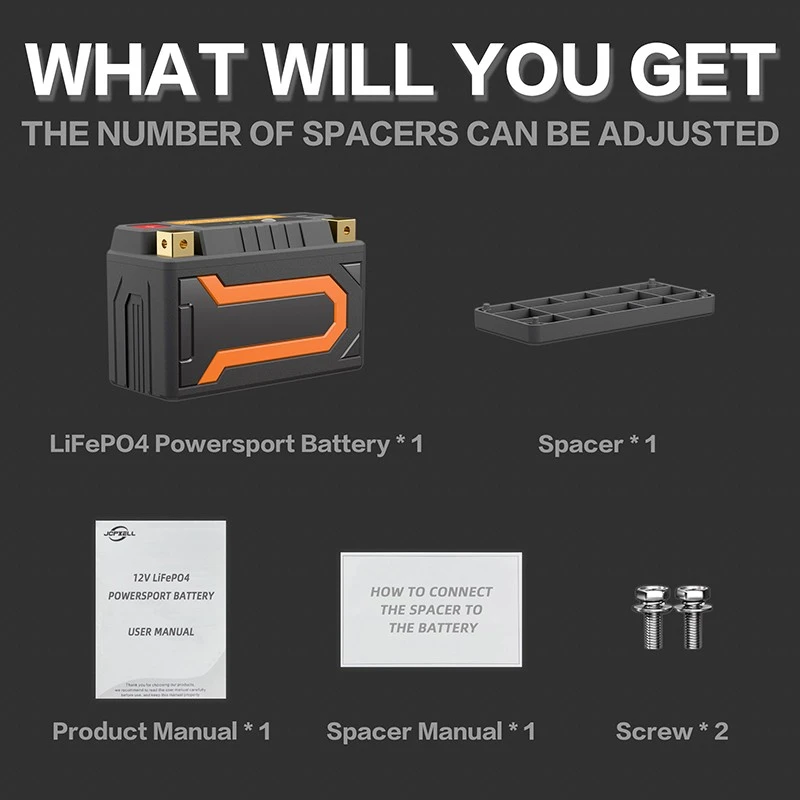
Can a 12Ah Lithium Motorcycle Battery Be Recycled?
The short answer is yes. A 12Ah lithium motorcycle battery can and should be recycled. The recycling process for lithium - ion batteries is complex but well - established. The first step in recycling is collection. As a battery supplier, we encourage our customers to return their used batteries to us or to authorized recycling centers.
Once the batteries are collected, they are transported to a recycling facility. At the facility, the batteries are first discharged to a safe level to prevent any potential hazards during the recycling process. Then, the batteries are shredded into small pieces. This shredding process helps in separating the different components of the battery.
The shredded material is then subjected to a series of chemical and physical processes. Through hydrometallurgical or pyrometallurgical methods, the valuable metals such as lithium, cobalt, and nickel are extracted. These metals can then be used to manufacture new batteries or other products. For example, the recovered lithium can be used in the production of new lithium - ion batteries, closing the loop on the battery life cycle.
Benefits of Recycling 12Ah Lithium Motorcycle Batteries
Environmental Protection
Recycling 12Ah lithium motorcycle batteries significantly reduces the environmental impact associated with battery disposal. By preventing the release of toxic metals into the environment, we can protect soil, water, and air quality. This is crucial for maintaining a healthy ecosystem and reducing the long - term effects of pollution.
Resource Conservation
Lithium, cobalt, and other metals used in lithium - ion batteries are finite resources. Recycling these batteries helps in conserving these valuable materials. Instead of relying solely on mining for new metals, we can reuse the metals from old batteries. This not only reduces the demand for mining but also minimizes the environmental damage caused by mining activities.
Economic Benefits
The recycling of lithium - ion batteries also has economic advantages. The recovered metals can be sold at a profit, which can offset the cost of the recycling process. Additionally, the recycling industry creates jobs in collection, transportation, and processing.
Challenges in Recycling 12Ah Lithium Motorcycle Batteries
Safety Concerns
Lithium - ion batteries are potentially hazardous. They can catch fire or explode if not handled properly. During the recycling process, there is a risk of thermal runaway, which can lead to fires or explosions. Recycling facilities need to have strict safety protocols in place to ensure the safety of workers and the surrounding environment.
Complexity of the Recycling Process
The recycling process for lithium - ion batteries is complex and requires specialized equipment and expertise. Different types of lithium - ion batteries may have different chemistries, which can make the recycling process even more challenging. For example, lithium iron phosphate (LiFePO4) batteries have different recycling requirements compared to other lithium - ion chemistries.
Collection and Logistics
Collecting used 12Ah lithium motorcycle batteries can be a challenge. Many consumers are not aware of the importance of battery recycling or do not know where to take their used batteries. Additionally, transporting these batteries safely and efficiently can be costly and logistically difficult.
Our Role as a 12Ah Lithium Motorcycle Battery Supplier
As a supplier of 12Ah lithium motorcycle batteries, we are committed to promoting battery recycling. We provide information to our customers about the importance of recycling and offer guidance on how to recycle their used batteries. We also work with authorized recycling centers to ensure that the batteries we collect are recycled in an environmentally friendly and safe manner.
We offer a range of high - quality Motorcycle LiFePO4 Battery, Motorcycle Lithium Battery, and Small Lithium Motorcycle Battery. Our batteries are designed with recyclability in mind, and we are constantly exploring ways to improve the sustainability of our products.
Conclusion
In conclusion, a 12Ah lithium motorcycle battery can be recycled, and recycling is essential for environmental protection, resource conservation, and economic benefits. While there are challenges in the recycling process, with proper safety measures and technological advancements, these challenges can be overcome.
If you are interested in purchasing high - quality 12Ah lithium motorcycle batteries or have any questions about battery recycling, please feel free to contact us. We are here to provide you with the best products and services and to contribute to a more sustainable future.
References
- Doe, J. (2022). Recycling of Lithium - Ion Batteries: A Review. Journal of Environmental Science and Technology, 15(2), 123 - 135.
- Smith, A. (2023). The Economics of Lithium - Ion Battery Recycling. International Journal of Resource Economics, 20(3), 201 - 215.
- Johnson, B. (2021). Safety Considerations in Lithium - Ion Battery Recycling. Journal of Hazardous Materials Management, 12(4), 101 - 110.