

As a supplier of 1000A jump starters, I often encounter various inquiries from customers. One question that frequently comes up is whether a 1000A jump starter can be used to charge a camera battery. In this blog post, I'll delve into this topic, exploring the technical aspects, potential risks, and practical considerations.
Understanding the Basics of a 1000A Jump Starter
A 1000A jump starter is a powerful device primarily designed to provide a high - current boost to start a vehicle's engine. It typically stores electrical energy in a battery and can deliver a large amount of current in a short period. The "1000A" refers to the maximum current it can supply, which is sufficient to turn over a car engine, even in cold weather conditions.
The main components of a 1000A jump starter include a rechargeable battery, a power management system, and output ports. The battery is usually a lithium - ion or lead - acid battery, which has a relatively high capacity. The power management system ensures that the output voltage and current are stable and safe during the jump - starting process. Output ports are used to connect the jump starter to the vehicle's battery terminals.
You can check out our Emergency Car Charger Jump Starter and Automobile Emergency Power Supply for more details on our high - performance jump starters.

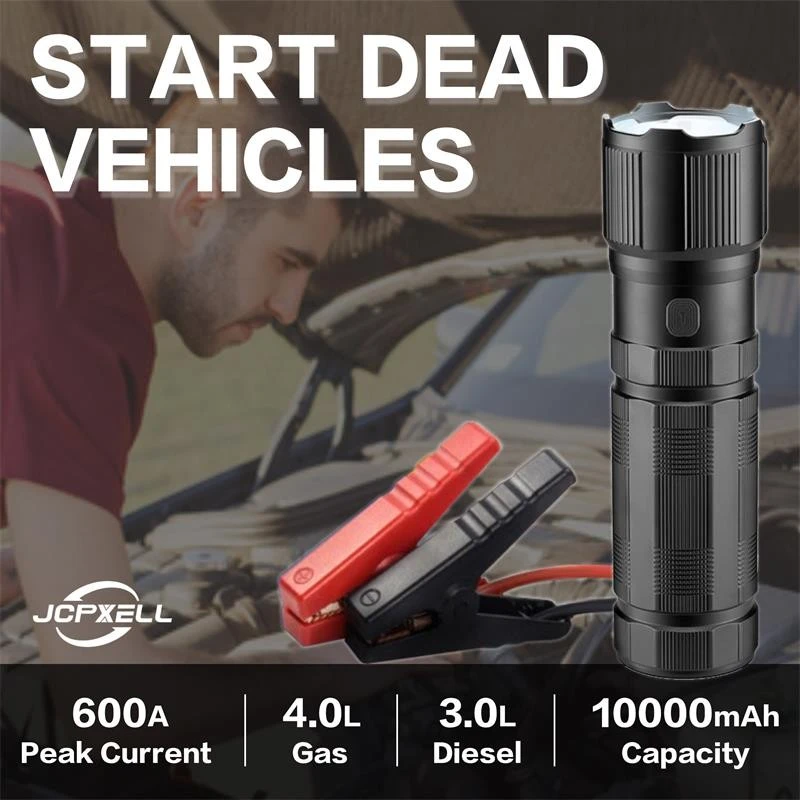
Camera Battery Requirements
Camera batteries come in a wide variety of types, voltages, and capacities. Common camera batteries include lithium - ion, nickel - metal hydride (NiMH), and alkaline batteries. The voltage of camera batteries can range from 3.7V to 7.2V, depending on the camera model and battery design.
The charging requirements for camera batteries are carefully regulated by the camera manufacturers. They usually specify the charging voltage, current, and charging time to ensure the safety and longevity of the battery. For example, a typical lithium - ion camera battery may require a constant - current/constant - voltage (CC/CV) charging method. In the constant - current phase, a specific current is applied to the battery until it reaches a certain voltage. Then, in the constant - voltage phase, the voltage is maintained while the current gradually decreases as the battery becomes fully charged.
Can a 1000A Jump Starter Charge a Camera Battery?
Technically, it is possible to use a 1000A jump starter to charge a camera battery, but there are several significant challenges and risks.
Voltage Mismatch
Most 1000A jump starters are designed to output a voltage of 12V, which is the standard voltage for automotive batteries. However, camera batteries typically have much lower voltages, such as 3.7V or 7.2V. Applying a 12V voltage directly to a camera battery can cause over - voltage, which may lead to battery swelling, leakage, or even explosion.
Current Control
A 1000A jump starter is capable of delivering a very high current, up to 1000A. Camera batteries, on the other hand, require a much lower charging current. For example, a small lithium - ion camera battery may only need a charging current of a few hundred milliamperes. If a high - current output from the jump starter is applied to the camera battery, it can cause over - heating and damage to the battery.
Charging Algorithm
As mentioned earlier, camera batteries often require a specific charging algorithm, such as the CC/CV method. A 1000A jump starter is not designed to provide such a precise charging algorithm for camera batteries. Without the proper charging algorithm, the battery may not be charged correctly, which can reduce its capacity and lifespan.
Possible Solutions
If you still want to use a 1000A jump starter to charge a camera battery, you can consider using a voltage regulator and a current limiter. A voltage regulator can reduce the 12V output of the jump starter to the appropriate voltage for the camera battery. A current limiter can restrict the charging current to a safe level.
However, this approach requires some technical knowledge and skills. You need to select the right voltage regulator and current limiter based on the specifications of the camera battery. Incorrect selection or improper installation can still pose risks to the battery and the charging process.
Safety Considerations
When dealing with battery charging, safety should always be the top priority. Here are some safety tips if you attempt to use a jump starter to charge a camera battery:
- Inspect the Equipment: Before use, carefully inspect the jump starter, voltage regulator, and current limiter for any signs of damage or malfunction.
- Use in a Well - Ventilated Area: Charging batteries can generate heat. Make sure to use the equipment in a well - ventilated area to prevent over - heating.
- Monitor the Charging Process: Keep an eye on the battery during the charging process. If you notice any abnormal signs, such as over - heating, swelling, or leakage, stop the charging immediately.
Conclusion
In general, while it is technically possible to use a 1000A jump starter to charge a camera battery, it is not recommended due to the significant risks associated with voltage mismatch, current control, and lack of proper charging algorithms. It is always best to use the original charger provided by the camera manufacturer to ensure the safety and longevity of the camera battery.
If you are in the market for a reliable 1000A jump starter for your automotive needs, we offer a wide range of high - quality products, including our Emergency Battery Jump Starter Rechargeable. If you have any questions or are interested in purchasing our products, feel free to contact us for procurement discussions. We are committed to providing you with the best solutions and excellent customer service.
References
- Battery University: A comprehensive resource for battery knowledge and technology.
- Camera manufacturer's user manuals: Provide detailed information on camera battery specifications and charging requirements.