

As a supplier of 18Ah lithium motorcycle batteries, I often encounter inquiries from motorcycle enthusiasts and professionals about the potential risks and concerns related to battery usage, especially the issue of overcharging. In this blog post, I'll delve into the technical details and practical implications of whether an 18Ah lithium motorcycle battery can be overcharged.
Understanding Lithium-ion Batteries
Lithium-ion batteries, including the 18Ah lithium motorcycle batteries we supply, are known for their high energy density, long cycle life, and lightweight design. These features make them a popular choice for modern motorcycles, offering improved performance and efficiency compared to traditional lead-acid batteries. However, they also require a more delicate approach to charging, due to their chemical composition and internal structure.
The basic principle of a lithium-ion battery involves the movement of lithium ions between the positive and negative electrodes during charging and discharging. When charging, lithium ions move from the positive electrode to the negative electrode, where they are stored. During discharging, the reverse process occurs, and the ions flow back to the positive electrode, releasing electrical energy. This process is carefully regulated to maintain the stability and safety of the battery.

The Risk of Overcharging
Overcharging a lithium-ion battery can have serious consequences. When a lithium-ion battery is overcharged, too many lithium ions are forced into the negative electrode. This can cause the formation of lithium metal deposits, known as dendrites, on the negative electrode. These dendrites can grow over time and penetrate the separator between the positive and negative electrodes, causing a short circuit. A short circuit in a lithium-ion battery can lead to overheating, thermal runaway, and in extreme cases, fire or explosion.
In addition to the physical damage caused by dendrite formation, overcharging can also lead to a decrease in battery capacity and cycle life. The excessive voltage and current levels during overcharging can cause chemical reactions within the battery, which can degrade the electrodes and the electrolyte, reducing the battery's ability to store and release energy effectively.
How Our 18Ah Lithium Motorcycle Batteries Prevent Overcharging
To address the risk of overcharging, our 18Ah lithium motorcycle batteries are equipped with advanced battery management systems (BMS). The BMS is an intelligent electronic control system that monitors and manages the charging and discharging process of the battery.
One of the key functions of the BMS is to prevent overcharging. It continuously monitors the voltage and current levels of the battery during charging and automatically shuts off the charging process when the battery reaches its full capacity. This ensures that the battery is not exposed to excessive voltage or current, which could cause damage.
The BMS also provides other important functions, such as over-discharge protection, short-circuit protection, and temperature monitoring. These features help to ensure the safety and reliability of our batteries, even under extreme conditions.
Compatibility with Charging Systems
When using our 18Ah lithium motorcycle batteries, it's important to ensure that they are compatible with the charging system of your motorcycle. Not all charging systems are designed to work with lithium-ion batteries, and using an incompatible charger can increase the risk of overcharging.
Our batteries are designed to be compatible with a wide range of motorcycle charging systems. However, we recommend that you use a charger specifically designed for lithium-ion batteries to ensure optimal performance and safety. If you're unsure about the compatibility of your charging system, our technical support team can provide you with guidance and recommendations.
Other Lithium Motorcycle Battery Options
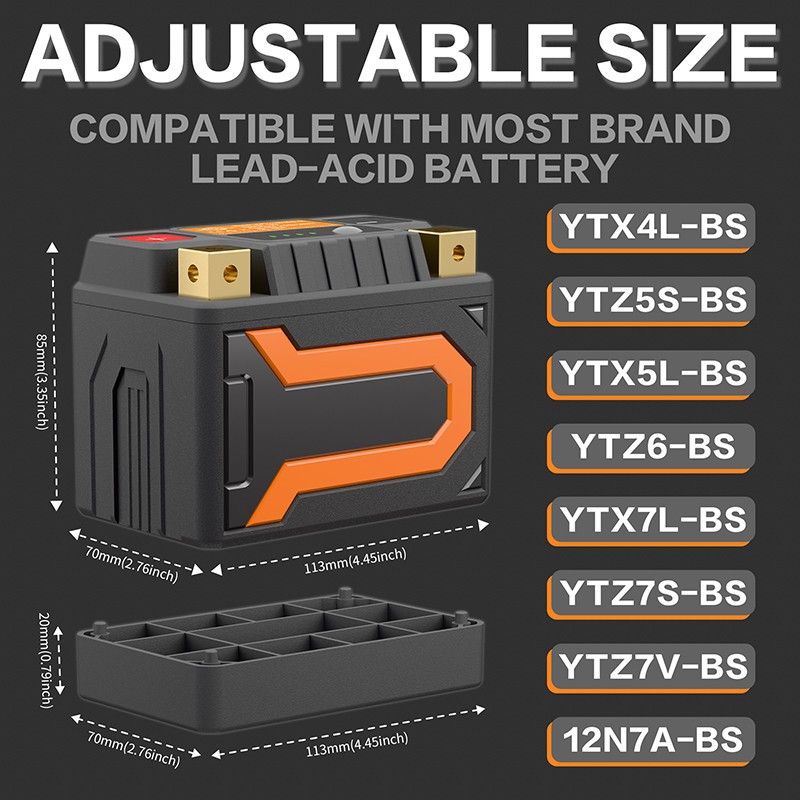
In addition to our 18Ah lithium motorcycle batteries, we also offer a range of other lithium motorcycle battery options, including the Ytx5l Bs Motorcycle Battery, 6Ah Lithium Motorcycle Battery, and 3.5Ah Lithium Motorcycle Battery. These batteries are also equipped with advanced BMS technology to prevent overcharging and ensure safe and reliable operation.
Conclusion
In summary, while an 18Ah lithium motorcycle battery can be overcharged if not properly managed, our batteries are designed with advanced BMS technology to prevent this from happening. By using a compatible charger and following the recommended charging procedures, you can ensure the long-term performance and safety of your battery.
If you're in the market for a high-quality lithium motorcycle battery, we invite you to explore our product range. Our team of experts is ready to assist you with any questions or concerns you may have. Whether you're a professional motorcycle mechanic or an avid rider, we can help you find the right battery for your needs. Contact us today to start a conversation about your battery requirements and let's explore how our products can enhance your motorcycle experience.
References
- Linden, D., & Reddy, T. B. (2002). Handbook of Batteries. McGraw-Hill.
- Tarascon, J. M., & Armand, M. (2001). Issues and challenges facing rechargeable lithium batteries. Nature, 414(6861), 359-367.