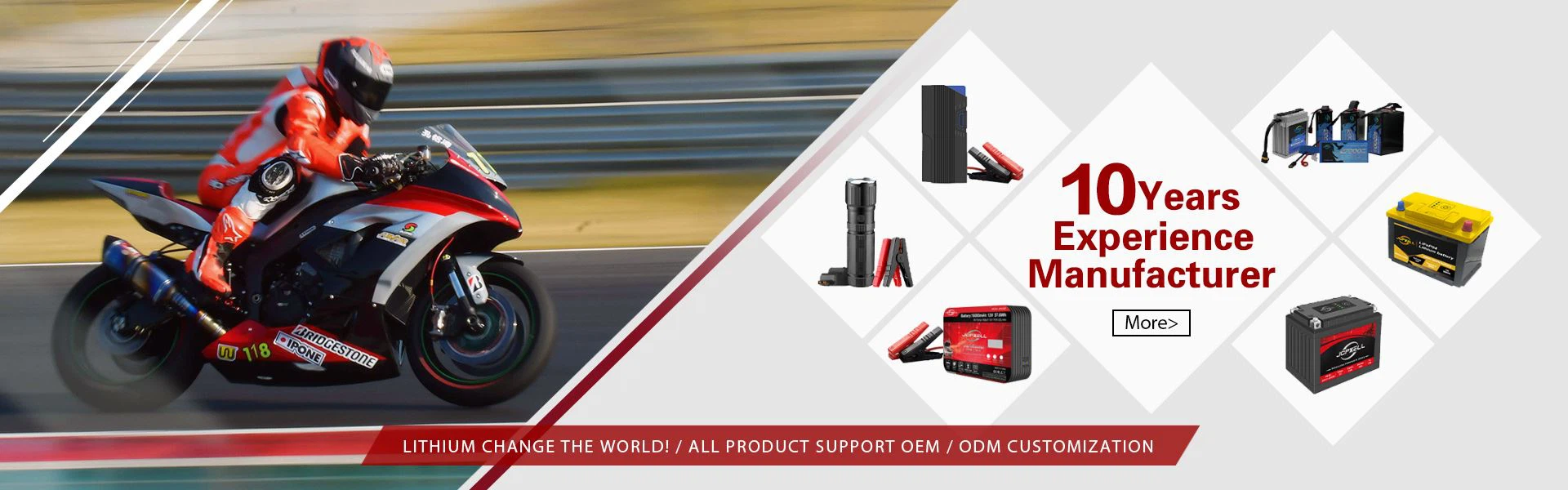
In the motorcycle industry, lead-acid batteries are gradually being replaced by lithium batteries, which is not only a demonstration of technological progress, but also a significant improvement in cost-effectiveness.
Here are the advantages of lithium batteries in terms of cost-effectiveness for motorcycles, as well as the benefits of switching from lead to lithium.
Long Lifespan Reduces Replacement Frequency
The lifespan of a lithium battery is usually 4 to 5 times that of a lead-acid battery, typically lasting 5-10 years or longer. This means that cyclists do not need to replace the battery for a longer period of time, significantly reducing the cost of replacing the battery. In the long run, choosing a lithium battery can effectively save the cost of purchasing a new battery.
Higher Energy Density
Lithium batteries have a higher energy density, allowing them to store more electrical energy in the same volume and weight as traditional batteries. This means that fewer lithium batteries are needed to provide the same level of power, reducing the overall purchase cost. Additionally, the smaller, lighter batteries help reduce the overall weight of the motorcycle, improving fuel efficiency or electric range.
Fast Charging Increases Efficiency
The charging speed of lithium batteries is much faster than that of lead-acid batteries, and they can usually be fully charged in just 1-3 hours. This means that riders can quickly recharge their batteries and reduce the time spent waiting for a charge, improving their overall efficiency. This efficient charging capability is especially important for long-distance travel, helping riders save valuable time.
Save Maintenance Costs
The maintenance requirements of lithium batteries are almost zero, eliminating the trouble of regular inspections and replacing electrolyte. Compared with lead-acid batteries, lithium batteries do not require frequent maintenance work, reducing the time and money costs of riders. In long-term use, the low maintenance cost of lithium batteries brings additional economic benefits.
Environmental Compliance and Costs
As environmental regulations become increasingly stringent, the cost of using lead-acid batteries may increase due to environmental compliance requirements. However, lithium batteries, due to their environmentally friendly characteristics, meet modern environmental standards and avoid potential regulatory costs. Choosing lithium batteries is not only a way to improve performance, but also an environmentally friendly and economical choice.
Indirect Cost Benefits of Enhancing the Cycling Experience with Lithium Batteries
The high performance and safety provided by lithium batteries not only enhances the rider's experience, but also indirectly saves potential repair and accident-related costs. A more reliable battery means fewer malfunctions and accidents, thereby reducing additional expenses.
From a cost-benefit perspective, the benefits of replacing lead batteries in motorcycle lithium batteries are obvious. Long life, low maintenance requirements, high-efficiency charging, and higher energy utilization rates make lithium batteries a more economical choice.
As the demand for environmentally friendly and high-performance batteries in the market continues to increase, the trend of replacing lead-acid batteries with lithium batteries will become more apparent, providing riders with a better riding experience and sustainable economic benefits.