


Choosing between a 12V and 24V jump starter is one of the most important decisions for vehicle owners, distributors, and automotive equipment buyers. Selecting the wrong voltage can lead to poor starting performance, product failure, or even safety risks.
A 12V jump starter is commonly used for passenger cars, SUVs, motorcycles, and light commercial vehicles, while a 24V jump starter is designed for heavy-duty applications such as trucks, buses, RVs, and industrial vehicles.
For brands, wholesalers, and importers sourcing OEM jump starters, understanding the difference between 12V and 24V systems is essential for selecting the right product range and meeting customer needs.
This expert guide explains the key differences between 12V vs 24V jump starters, including vehicle compatibility, power requirements, battery technology, and purchasing considerations.

Understanding the Difference Between 12V and 24V Jump Starters
The main difference between a 12V and 24V jump starter is the electrical system voltage they are designed to support.
Most standard vehicles use a 12V electrical system, while larger commercial vehicles often use 24V systems because they require more power to start larger engines.
A 24V system is usually created by connecting two 12V batteries in series, increasing the available voltage for heavy-duty applications.
| Feature | 12V Jump Starter | 24V Jump Starter |
|---|---|---|
| Main Applications | Cars, SUVs, motorcycles | Trucks, buses, RVs, heavy-duty vehicles |
| Engine Type | Small to medium engines | Large diesel engines |
| Power Requirement | Standard starting power | Higher starting capability |
| Typical Users | Individual drivers | Fleets, commercial operators |
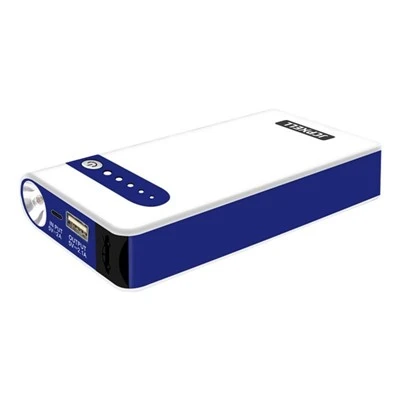
12V Jump Starter
Designed for everyday vehicles, 12V jump starters provide reliable emergency starting power for cars, SUVs, motorcycles, and small commercial vehicles. Their compact size and portable design make them ideal for personal drivers and roadside assistance applications.

| 24V Jump Starter |
|---|
Built for high-power applications, 24V jump starters deliver stronger starting capability for trucks, buses, RVs, construction equipment, and commercial fleets. They are designed for professional users who require reliable performance under demanding conditions.
12V Jump Starter: Best Choice for Cars and Light Vehicles
A 12V jump starter is the most common type used worldwide because most passenger vehicles operate on 12V electrical systems.
Typical applications include:
Sedans
SUVs
Pickup trucks
Motorcycles
Small vans
Advantages of 12V Jump Starters
For everyday users, a portable 12V jump starter provides several benefits:
Compact and lightweight design
Easy storage in vehicles
Lower purchase cost
Suitable for emergency roadside situations
Modern lithium 12V jump starters are becoming increasingly popular because they provide higher energy density, faster charging, and better portability compared with traditional lead-acid boosters.
For example, a family traveling long distances may choose a 12V lithium jump starter because it can provide emergency starting power without requiring another vehicle.
24V Jump Starter: Designed for Heavy-Duty Vehicles
A 24V jump starter is specifically developed for vehicles with larger electrical systems and higher starting requirements.
Common applications include:
Commercial trucks
Construction equipment
Agricultural machinery
Large RVs
Fleet vehicles
Why Heavy-Duty Vehicles Need 24V Jump Starters
Large diesel engines require significantly more starting power because they need higher current to rotate the engine under demanding conditions.
Professional users usually prioritize:
Higher peak current output
Larger battery capacity
Durable housing design
Frequent-use reliability
For fleet operators, choosing the correct 24V battery booster pack can reduce vehicle downtime and improve operational efficiency.
How to Choose Between a 12V and 24V Jump Starter?
Before purchasing, buyers should follow a simple evaluation process.
Step 1: Check Your Vehicle Voltage System
Always confirm the vehicle battery voltage before selecting a jump starter.
You can check:
Vehicle owner manual
Battery label
Manufacturer specifications
Using a 12V jump starter on a 24V vehicle may not provide enough power, while incorrect voltage matching can create safety concerns.
Step 2: Consider Engine Size and Usage Environment
The required jump starter depends not only on voltage but also on engine size and operating conditions.
| Application | Recommended Solution |
|---|---|
| Personal car | 12V jump starter |
| SUV or pickup truck | High-output 12V model |
| Diesel truck | 24V jump starter |
| Commercial fleet | Professional 24V solution |
Step 3: Evaluate Supplier Capability for OEM Purchasing
For distributors and automotive brands, product reliability is more important than a single specification.
A professional OEM jump starter manufacturer should provide:
Stable production capacity
Battery customization
Safety testing
Packaging solutions
Technical support
12V vs 24V Jump Starter: Which One Should You Choose?
The correct choice depends on your target application.
Choose a 12V jump starter if you need:
A portable emergency solution
Personal vehicle support
Lightweight equipment
Choose a 24V jump starter if you need:
Commercial vehicle support
Heavy-duty diesel starting power
Fleet maintenance solutions
For businesses, offering both 12V and 24V jump starter products can help cover a wider customer market, from individual drivers to professional transportation companies.
Why Choose Jack Power as Your OEM Jump Starter Partner?
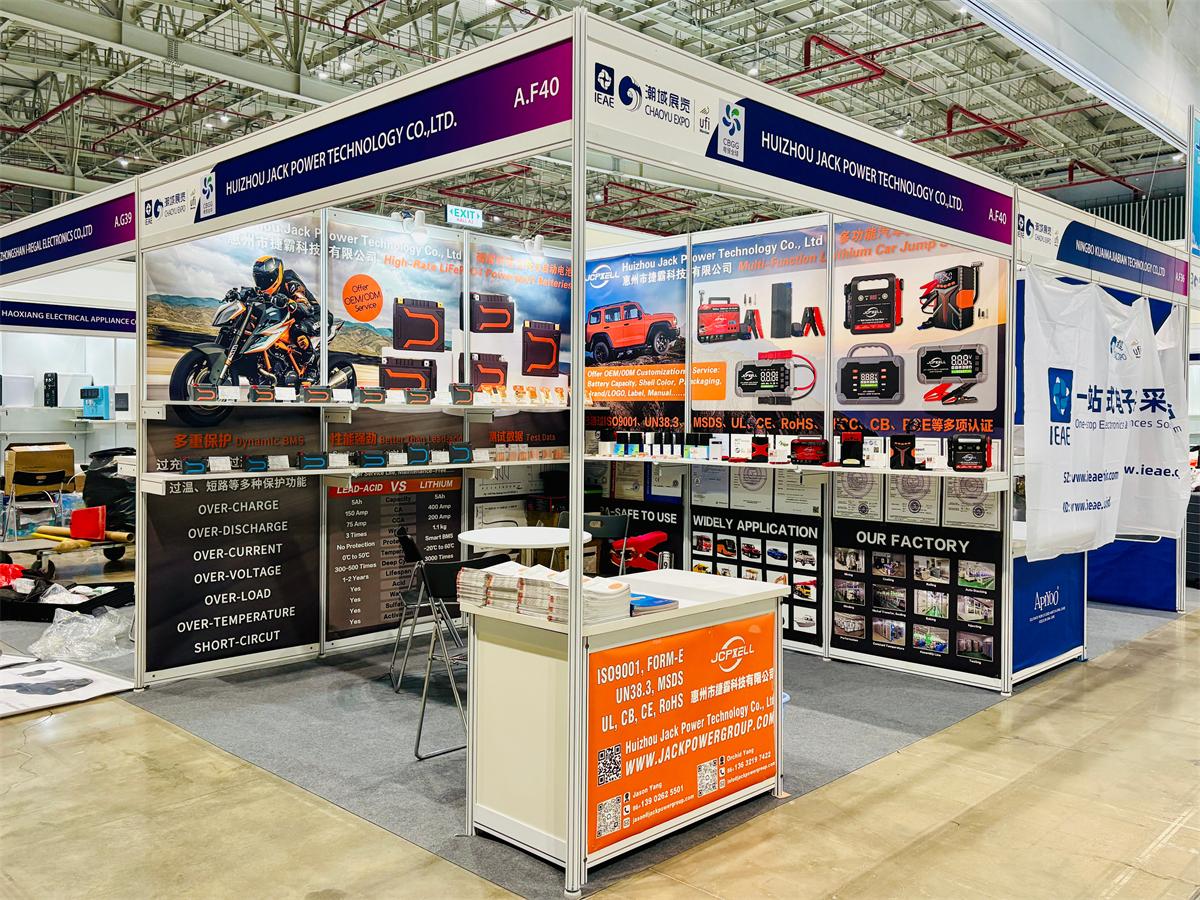
Jack Power Technology Co., Ltd. specializes in lithium battery solutions and OEM/ODM jump starter manufacturing for global brands, wholesalers, and distributors.
With:
Over 10 years of lithium battery industry experience
More than 3,000㎡ factory space
5 advanced battery assembly lines
Products exported to over 30 countries
Trusted by more than 100 global customers
Jack Power supports customers with customized jump starter solutions, including product design, battery configuration, and private label manufacturing.
Whether you need 12V jump starters for passenger vehicles or 24V jump starters for heavy-duty applications, Jack Power provides flexible manufacturing support for different market requirements.

FAQ
Q: Can I use a 24V jump starter on a 12V vehicle?
A: No. A 24V jump starter is designed for 24V electrical systems and should not be used on standard 12V vehicles.
Q: Is a 24V jump starter more powerful than a 12V model?
A: A 24V jump starter is designed for higher-voltage systems and heavy-duty applications, but it is not automatically better for every vehicle.
Q: What vehicles need a 24V jump starter?
A: 24V jump starters are commonly used for trucks, buses, construction equipment, agricultural machinery, and large diesel vehicles.
Q: Are lithium jump starters better than traditional models?
A: Lithium jump starters usually offer advantages such as lighter weight, faster charging, and higher energy efficiency.
Q: How do I choose an OEM jump starter supplier?
A: Look for manufacturing experience, quality control systems, customization ability, export capability, and reliable after-sales support.
References
U.S. Department of Energy – Vehicle Battery Technology Information
Battery University – Lithium Battery Fundamentals and Applications
Bosch Automotive Handbook – Vehicle Electrical Systems Reference
International Energy Agency (IEA) – Global Battery Supply Chain Reports