

A portable jump starter is designed to provide emergency power when your vehicle battery fails, but many drivers and businesses ask the same question: "How long does a jump starter battery last?"
The lifespan of a jump starter battery depends on several factors, including battery chemistry, charging habits, storage conditions, usage frequency, and manufacturing quality. For most modern lithium jump starters, the average battery lifespan is around 2–5 years, while high-quality battery solutions with advanced cell technology can achieve longer service life under proper maintenance.
For consumers, understanding jump starter battery lifespan helps make better purchasing decisions. For distributors and brands, knowing battery performance factors is essential when selecting a reliable OEM jump starter manufacturer.

How Long Does a Jump Starter Battery Usually Last?
The lifespan of a jump starter is generally measured in two ways: calendar life and cycle life.
Calendar life refers to how long the battery remains usable over time.
Cycle life refers to how many complete charge and discharge cycles the battery can handle before capacity decreases.
Most portable jump starters use lithium-ion battery technology because it provides high energy density, lightweight design, and strong starting performance.
| Battery Type | Average Lifespan | Typical Application |
|---|---|---|
| Lithium-ion Battery | 2–5 years | Portable jump starters |
| LiFePO4 Battery | 5+ years | Professional and high-cycle applications |
| Lead-acid Battery | 2–3 years | Traditional heavy boosters |
A lithium battery does not suddenly stop working after reaching its rated cycle number. Instead, its capacity gradually decreases, meaning it may store less energy and provide lower starting performance over time.
What Factors Affect Jump Starter Battery Lifespan?
Battery Chemistry and Cell Quality
The internal battery cells are one of the most important factors affecting a jump starter's durability.
High-quality manufacturers carefully select battery cells based on:
Energy density
Discharge performance
Thermal stability
Cycle life
For example, lithium-ion batteries are popular because they offer excellent power-to-weight performance, while LiFePO4 batteries are known for longer cycle life and improved thermal stability.
For buyers sourcing OEM jump starters, the battery cell supplier and battery management system (BMS) design are key indicators of product reliability.
Charging and Storage Conditions
Many jump starters fail early because of incorrect storage rather than frequent use.
Recommended maintenance practices include:
Recharge the unit every 3–6 months when stored
Avoid keeping the battery completely empty
Store in a cool and dry environment
Avoid long exposure to extreme heat
High temperatures can accelerate lithium battery aging and permanently reduce capacity. Proper storage conditions help maintain battery performance over a longer period.
Frequency of Use and Working Environment
A jump starter used occasionally for emergencies will usually last longer than one used daily in commercial applications.
For example:
Personal vehicle owners:
Emergency use several times per year
Lower cycle consumption
Professional users:
Roadside assistance companies
Vehicle fleets
Repair shops
These applications require batteries with stronger cycle performance and more durable construction.
How to Extend the Lifespan of a Jump Starter Battery?
Following proper maintenance can significantly improve battery reliability.
Keep the Battery Properly Charged
Avoid storing a jump starter at 0% battery capacity for long periods. Maintaining an appropriate charge level helps protect lithium cells.
Avoid Extreme Temperatures
Both excessive heat and extreme cold can affect battery performance.
Avoid leaving jump starters:
Inside vehicles under direct sunlight
In freezing outdoor conditions for extended periods
Choose the Correct Product for Your Vehicle
Using an undersized jump starter for a large diesel engine can increase battery stress.
Before purchasing, consider:
Vehicle voltage (12V or 24V)
Engine displacement
Required peak current
Frequency of use
How Can Buyers Evaluate a Reliable Jump Starter Manufacturer?
For distributors and private-label brands, battery lifespan starts with the manufacturing process.
A professional jump starter OEM supplier should provide:
High-quality lithium battery cells
Reliable BMS protection
Safety testing procedures
Stable production capability
Customized product solutions
A manufacturer's factory experience, testing standards, and engineering support often determine the long-term reliability of the final product.
Why Choose Jack Power for Long-Life Jump Starter OEM Solutions?
Jack Power Technology specializes in lithium battery products and OEM/ODM jump starter solutions for global brands, wholesalers, and distributors.
With:
Over 10 years of lithium battery industry experience
More than 3,000㎡ factory space
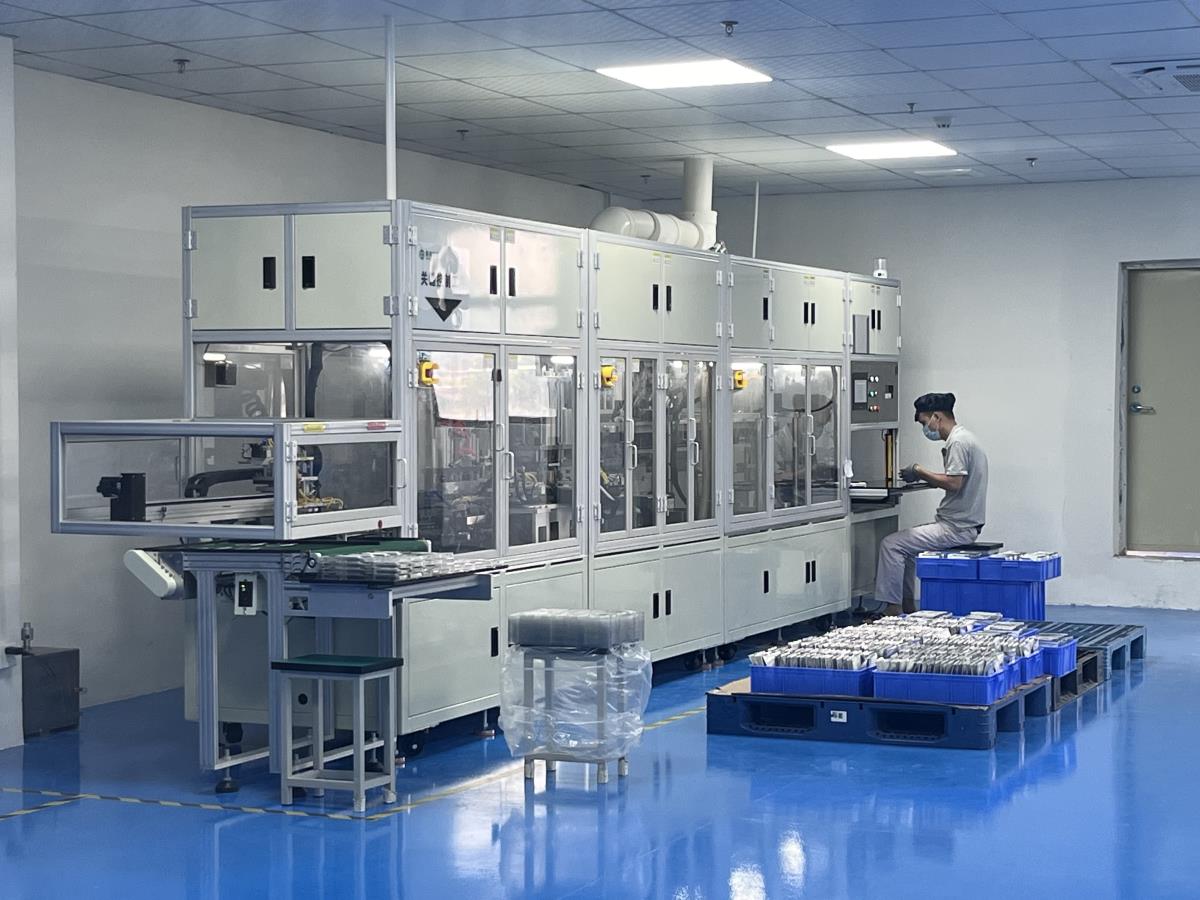
5 advanced battery assembly lines
Products exported to over 30 countries
Trusted by more than 100 global customers
Jack Power helps partners develop reliable jump starter products through customized battery solutions, quality control systems, and flexible manufacturing support.
Whether you need portable 12V jump starters or professional heavy-duty solutions, choosing an experienced OEM partner can improve product reliability and customer satisfaction.

FAQ
Q: How long does a lithium jump starter battery last?
A: Most lithium jump starter batteries typically last around 2–5 years depending on battery quality, usage frequency, and storage conditions.
Q: How often should I recharge my jump starter?
A: For emergency storage, it is recommended to check and recharge the jump starter every 3–6 months to keep the battery ready.
Q: Does a jump starter battery lose power when not used?
A: Yes. Lithium batteries slowly lose charge during storage, and long periods without charging may reduce battery performance.
Q: Are lithium jump starters better than traditional lead-acid models?
A: Lithium jump starters are usually lighter, more portable, and provide higher energy density compared with traditional lead-acid boosters.
Q: What should I consider when buying an OEM jump starter?
A: Important factors include battery cell quality, BMS protection, factory capability, customization options, and quality testing processes.